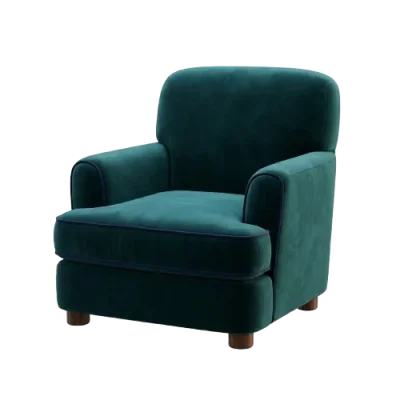
 Home & Kitchen · Interior
Big room. Empty middle. Fix that.
Tell us the room size, furniture, entry points, and who uses it.

2–4 zones
zone plan

per zone
rug anchoring

90 sec
time to the plan
164 plans generated this week
$9.99
$19.99
SAVE 50%
One-time purchase · Instant access · Personalized to your room
Get Instant Access
Try Free with Ecomzy Pass
 30-day money-back guarantee Secure checkout via Stripe
 Plan ready in under 90 seconds
The Problem
Big room. Big problem. Everything against the walls. Nothing in the middle. No sense of 'room.'
The couch is against the wall. The chairs are against the wall. The middle of the room is 12 feet of empty floor.
The #1 instinct in a large room is to push everything to the perimeter.

One overhead light illuminates the entire 400 square feet equally. Everything is bright. Nothing has atmosphere.
A single overhead fixture in a big room is like a stadium floodlight in a living room.

The living area bleeds into the dining area bleeds into the hallway. Where does one 'room' end and another begin?
In open-plan homes, there are no walls to define rooms.

People walk right through your conversation area to get to the kitchen. Because the traffic path has no alternative route.
In a poorly zoned big room, the shortest path between entry points cuts through the seating area.
What You Get
Not more furniture. Better-placed furniture.
Zone-by-Zone Furniture Map
Each zone placed relative to YOUR room dimensions and entry points.
Rug Anchoring Strategy
Rug sizing rules, material recommendations by use (jute for texture, flat-weave for dining, washable for play zones), and budget options.
Traffic Flow Design
Common mistakes to avoid (dining table in the door-to-kitchen path, couch facing the front door with no screen).
Zone Lighting Plan
The evening test: turn off overhead, turn on zone lights — if each pocket glows independently, the zoning works.

Shopping List by Priority
What you can DIY: rearrange existing furniture (free). What's optional: second zone rug, pendant for dining, console table behind the couch.

Regenerate Anytime
New furniture, moved, different household? Run it again.
How It Works
From one big empty space to a home with rooms.
1
Tell us about the room
Dimensions, current furniture, entry points and fixed elements, who uses the room and how, and your budget. Each answer shapes the zone count, furniture placement, and rug sizing.
 ~2 minutes
2
AI builds the zone plan
Our layout engine divides the room into 2–4 zones based on your lifestyle, positions each furniture piece for intimacy and flow, assigns rugs and lighting per zone, and routes traffic around the cozy pockets.
~15 seconds3
Pull the couch off the wall this weekend
Move it 18–24 inches into the room. Face it toward the TV or the window. The space behind becomes a walkway. The space in front becomes the living zone. Add a rug under it. Add a lamp beside it. That's zone one. The room already feels different.
30 min to rearrange2–4 zones
each with its own rug, light, and purpose — intimacy at scale
90 sec
to the plan
$0–300
rearrange to full zoning
1 weekend
to transform the room
Questions
Everything you need to know.
Won't floating the couch in the middle waste space?
The opposite. Right now, the space behind the couch (between the couch and the wall it's pushed against) is unusable — dead zone. When you float the couch 18–24 inches forward, that space becomes a functional walkway (traffic can flow behind the couch instead of through the conversation area). The front of the couch becomes a more intimate seating zone because the seating pieces are closer together. You gain functionality on BOTH sides of the couch.
My room isn't big enough for multiple rugs. What do I do?
If the room is 200–300 sq ft, one large rug defining the primary zone is sufficient. Use furniture arrangement and lighting to define secondary zones without additional rugs. The reading nook doesn't need its own rug if a chair + lamp already define it. The dining area can be defined by a pendant light alone. Rugs are the strongest tool but not the only one — lighting and furniture grouping also create zone boundaries.
What if I rent and can't hang a pendant over the dining table?
Use a plug-in pendant light ($20–50) with a long cord that drapes to the nearest outlet. Mount the ceiling hook with a Command strip rated for the weight. Or: skip the pendant and use a cluster of candles on the dining table (real or LED) — the pool of candlelight defines the zone just as effectively as a pendant. A tall floor lamp near the table also works.
I have kids. Won't zones just get destroyed?
Zones actually HELP in family rooms. The play zone (washable rug, toy baskets, floor cushions) gives kids a defined area near the parents but separate from the couch. The living zone (rug under the couch) stays cleaner because the toys have their own zone. Kids naturally gravitate to their zone when it's clearly defined. The key: washable rugs, durable fabrics, and toy storage within the play zone so cleanup is contained.
How do I know if my zones are working?
Two tests. The STANDING test: walk to the front door. Look at the room. Can you identify 2–4 distinct areas without being told? Each should have its own rug or furniture grouping and its own light. The SITTING test: sit on the couch at night with only zone lights on (no overhead). Does the seating area feel intimate and defined? Does the rest of the room fade into the background? If yes: the zones work.
Reviews
Real big rooms, really cozy.
Loading reviews…