 Home & Kitchen · Pet Care
There is fur is everywhere. Time for a real plan.
Tell us your pet type, worst surfaces, and fabric types — AI builds a removal plan with surface.

all of them
surfaces covered

3–4
tools needed

90 sec
time to the plan
198 plans generated this week
$9.99
$19.99
SAVE 50%
One-time purchase · Instant access · Personalized to your pet + home
Get Instant Access
Try Free with Ecomzy Pass
 30-day money-back guarantee Secure checkout via Stripe
 Plan ready in under 90 seconds
The Problem
The fur is not ON your furniture. It's IN your furniture.
You vacuum the couch. It looks clean for 12 minutes.
Regular vacuums remove the SURFACE layer of pet hair. But there's a second layer: hair that's been woven into the fabric.

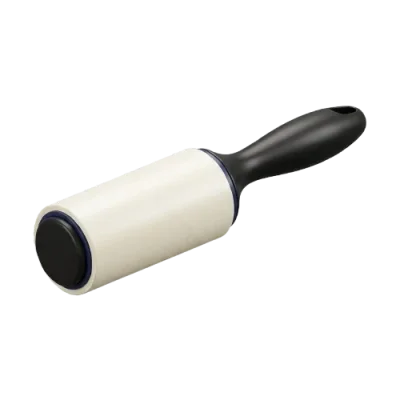
You go through 3 lint rollers a week. At $4 each, you're spending $600 a year.
Lint rollers are the most expensive, most inefficient pet-hair tool in existence.

You've stopped wearing black. You've considered shaving the cat.
Airborne undercoat fur travels through HVAC systems, settles in closets, and bonds to clean clothes hanging in the open air.

You clean on Sunday. By Wednesday it's back.
The source is a pet who sheds. You can't stop that (and wouldn't want to).
What You Get
Not more lint rollers. An actual system.
Surface-by-Surface Methods
Each method matched to YOUR specific fabric types.
Ranked Tool Kit (3–4 items)
Total investment: $30–60 for a system that replaces $600/year in lint rollers.

Cleaning Schedule
Daily (5–10 min), Weekly (20–30 min), Seasonal (coat blow), + HVAC filter change.

Prevention Layer
Strategic changes that REDUCE what lands so cleaning takes less.

Why Your Methods Failed
Each failure explained + the correct alternative.

Regenerate Anytime
New pet, new furniture, shedding season? Run it again.
How It Works
From fur-covered everything to a manageable system.
1
Tell us about the fur situation
Your pet type and shedding level, worst surfaces, fabric types, what you've tried, and how much time you have. Each answer changes the tools and schedule.
~1 minute2
AI builds the removal plan
Our pet-hair physics engine matches extraction methods to your specific fabrics, ranks the tools you actually need, builds a daily/weekly/seasonal schedule for your time budget, and adds a prevention layer to reduce what lands in the first place.
~15 seconds3
Order the rubber brush today
$10–15. Available everywhere. This single tool changes your relationship with pet hair. Run it over one couch cushion. Watch what comes up. You'll understand immediately why the vacuum wasn't enough.
start today3–4 tools
replace a lifetime of lint rollers for under $60 total
90 sec
to the plan
10 min/day
quick maintenance
70%
less fur with prevention
Questions
Everything you need to know.
Will a rubber brush really work better than my vacuum?
On embedded hair, dramatically better. Vacuums work by suction, which lifts loose hair from the surface. Embedded hair is electrostatically bonded and mechanically woven into fabric fibers — suction alone can't break that bond. A rubber brush works by friction: the rubber drags across the fabric, generating a static charge that pulls hair up and balls it into collectible clumps. Use the rubber brush FIRST, then vacuum to pick up what it dislodged. The combination removes 3–5x more hair than vacuuming alone.
The dryer-FIRST trick sounds backwards. Won't the heat set the fur?
Use AIR-DRY (no heat) or LOW HEAT. The tumbling action is what does the work, not the temperature. The mechanical agitation plus the dryer sheet's static-neutralizing effect dislodges hair from dry fabric far more effectively than water does from wet fabric. In the wash, wet hair CLINGS to wet fabric. In the dryer, dry hair falls into the lint trap. Always dryer first, then wash, then dry again.
How is a $10 rubber brush better than my $400 'pet' vacuum?
Different tools for different physics problems. Your vacuum excels at picking up loose hair from flat surfaces (floors, tops of cushions). The rubber brush excels at EXTRACTING embedded hair that suction can't reach. They're complementary, not competing. The ideal workflow: rubber brush to dislodge embedded hair → vacuum to collect it. The brush makes the vacuum 3–5x more effective because it brings hidden hair to the surface.
I have a short-haired dog (lab, pug). Isn't short hair easier?
The opposite. Short, needle-like hair is the HARDEST to remove from fabric because it's thin enough to weave between fibers and rigid enough to resist suction. Long fur tangles into visible clumps that are easy to grab. Short fur disappears into the fabric at a near-microscopic level. For short-hair pets, the rubber brush is even more essential, and the dryer-first trick for clothes becomes non-negotiable.
Can I just get rid of all fabric furniture?
Leather and hard surfaces do collect less embedded hair, but fur still accumulates in seams, crevices, and any textured area. And you'd still need the clothes/bedding/car plan. The realistic approach: keep your furniture, add washable throws to the pet's favorite spots, and use the rubber brush weekly. The plan makes fabric furniture livable with a pet — you don't have to redesign your home.
Reviews
Real pets, really less fur.
Loading reviews…