 Pets · Distance Bonding
Away from pet? Stay connected.
Scent prep, camera schedule, voice interaction rules, caretaker briefing, and a reunion protocol for when you come home.


 30-day money-back guarantee Secure checkout via Stripe
 Plan ready in under 90 seconds
Dogs read departure cues (suitcase, packing, cleaning, anxiety) and know something is changing. The pre-departure prep addresses this: leave gradually (don't make it a big emotional goodbye), provide scent comfort (your worn shirt in the bed), and ensure the caretaker starts the routine BEFORE you walk out the door. The dog adjusts within 1–2 days of consistent caretaker routine.

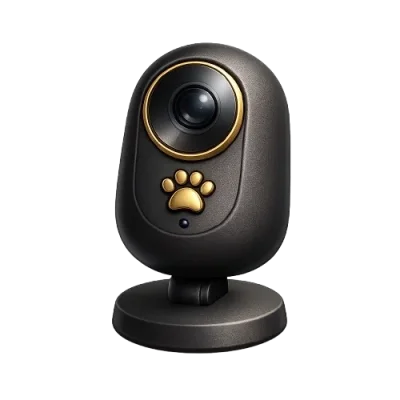
Pet cameras are valuable when used as a check-in tool (2–3x/day, 30 seconds each). They become harmful when used obsessively (20x/day, staring for minutes, screenshotting every time the dog sits by the door). The plan includes camera boundaries: check twice, confirm the pet is eating/sleeping/playing, close the app. Your job on the trip is to LIVE the trip, not livestream the dog.

Voice interaction through cameras and speakers is hit-or-miss. Some dogs calm at the sound of their owner's voice. Others become agitated: 'I hear my person but can't find them — where are they?' The plan includes a Day 1 voice test: try it, observe for 60 seconds. If the dog calms: continue. If the dog searches and paces: discontinue voice sessions and rely on scent + treats instead.

Dogs have robust long-term social memory. A dog that has been bonded to you for years will not 'replace' you with a caretaker in 10 days or even 10 weeks. The excited reunion when you return is the evidence: the bond was intact the entire time. Even in extended separations (military deployment, study abroad), dogs recognize their person by scent and voice. The bond is more durable than your anxiety about it.


 ~2 minutes ~15 seconds starts tonight