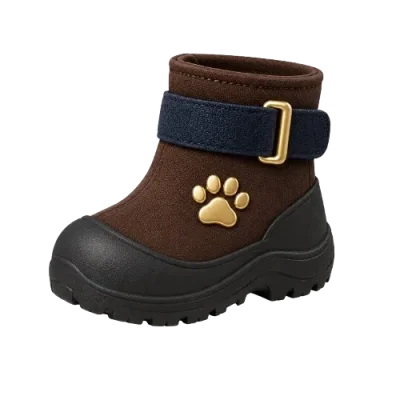
Dog Winter Paw Protection Plan
⭐ Pets · Winter Care

Your dog walks on salted sidewalks. Then licks its paws. Salt burns the pads AND the stomach. A 2-minute post-walk rinse prevents 90% of winter paw damage. Here's the full plan.

Tell us your winter climate, walk type, and paw condition — AI builds a protection plan: post-walk rinse routine, wax vs balm vs booties, damage signs with first aid, and a daily winter checklist.

❄️
winter-specific
paw-care plan
🐾
product comparison
protection guide
⏱
90 sec
time to the plan
$9.99
$19.99
SAVE 50%
One-time purchase · Instant access · Personalized to your winter
🔓 Get Instant Access — $9.99 Try Free with Ecomzy Pass
🔒 30-day money-back guarantee
🔒 Secure checkout via Stripe
⚡ Plan ready in under 90 seconds
The Problem
Every winter the pads crack, the dog limps, and you feel helpless. It's preventable.
🐾
The dog walks on salted sidewalks twice a day. By January the paw pads are dry, cracked, and sometimes bleeding. Every winter, same problem. Every winter, you don't know how to stop it.

Road salt (sodium chloride) and de-icing chemicals (calcium chloride, magnesium chloride) cause direct chemical irritation to paw pads. Salt crystals lodge between toes, abrade the skin, and draw moisture out of the pads. The cycle: walk on salt → pads dry out → cracks form → salt enters cracks → deeper damage. A 2-minute post-walk warm-water rinse removes the salt BEFORE it causes damage. That single habit prevents 90% of winter paw problems.

💧
The dog licks its paws after every winter walk. You think it's grooming. It's actually trying to remove the burning salt — and ingesting sodium chloride in the process.

Dogs lick their paws after winter walks because the salt and chemicals IRRITATE. The licking removes some salt but also: strips natural protective oils from the pads (making them drier), introduces bacteria into cracks, and causes the dog to ingest de-icing chemicals (which can cause vomiting, diarrhea, and in large amounts, sodium ion poisoning). The post-walk rinse removes the salt so the dog doesn't need to lick it off.

❄️
You tried booties. The dog walked like a drunk robot and kicked them off in 30 seconds. So you gave up. But booties work — they just need 3–5 training sessions.

Almost every dog rejects booties on the first try. The unfamiliar sensation on the paws triggers exaggerated walking (high stepping, freezing, kicking). This is TEMPORARY and resolves with gradual exposure: one boot on one paw + treat + 30 seconds indoors, then two boots, then three, then four, then outdoors. Within 3–5 sessions (1–2 minutes each), most dogs walk normally in booties. The plan includes the bootie-training protocol.

⚠️
You use coconut oil on the paw pads. It helps a little but not enough. Because coconut oil is a moisturizer, not a barrier — it absorbs into the skin and doesn't block salt contact during the walk.

Coconut oil is fine as a post-walk moisturizer but it's NOT protection. It absorbs too quickly to create a barrier during a walk. Paw wax (Musher's Secret, Natural Dog Company Paw Soother) creates a waxy, water-repellent barrier that stays on the pad during the walk and blocks salt contact. Wax BEFORE walks (barrier). Balm AFTER walks (healing). Different products, different purposes. The plan explains which product to use when.

What You Get
Not 'just wipe the paws.' A before-and-after system that stops cracking, limping, and licking.
🚿
Post-Walk Rinse Routine
The 2-minute habit: shallow pan of warm water by the door → dip each paw 5–10 sec → towel dry between toes → inspect → balm if dry. Dissolves salt, melts ice balls, prevents licking. The single most effective winter paw habit. Setup: 30 seconds. Execution: 2 minutes. Prevention: 90% of damage.
🐾
Protection Product Guide
BEFORE walks: paw wax (Musher's Secret $10–20, barrier that repels salt). AFTER walks: paw balm (Bag Balm $8–12, heals cracks). OR booties (Ruffwear $25–45, complete protection). OR Pawz rubber boots ($12–15/12-pack, salt-blocking, dogs tolerate better than rigid booties). Coconut oil: nice but not enough. The plan matches the right product to YOUR situation.
⚠️
Damage Signs + First Aid
Inspection guide: dry rough pads (mild → balm), surface cracks (moderate → balm + booties), deep bleeding cracks (serious → clean, bandage, vet if 3 days), redness between toes (salt irritation → rinse every walk), limping on salt (chemical burn → booties going forward), swelling (possible infection → vet). First aid kit: warm water, pet antiseptic, balm, gauze, vet wrap, baby socks.
👟
Bootie Training Protocol
Day 1: one boot, one paw, treat, 30 sec indoors. Day 2: two boots. Day 3: three. Day 4: four boots, short indoor walk. Day 5: first outdoor walk. Most dogs accept within 3–5 sessions. The awkward walk lasts 3 days. The protection lasts all winter. Alternative for boot-haters: Pawz rubber boots (thinner, more ground-feel).
📅
Daily Winter Checklist
BEFORE walk: apply wax or booties, check weather for cold limits. AFTER walk: warm water rinse, towel dry between toes, inspect, balm if dry. WEEKLY: deep inspection all 4 paws, trim fur between toes, nail check, deep balm + baby sock treatment. Printable for the door.
🔁
Regenerate Anytime
Different dog, moved to a colder climate, new winter issues? Run it again.
How It Works
From 'cracked pads every January' to 'smooth pads all winter. Two-minute habit.'
1
Tell us about your winter and your dog's paws
Climate, walk type, cold sensitivity, current paw issues, and what you've tried. Each answer selects the protection level, the product recommendations, and the care routine.
⏱ ~2 minutes
2
AI builds the paw-care plan
Our veterinary paw-care engine assesses the winter threats for your climate, matches protection products to your dog's tolerance, creates the post-walk routine, writes the damage guide with first aid, and includes the bootie-training protocol if applicable.
⏱ ~15 seconds
3
Tonight: warm water pan by the door. First rinse.
Fill a shallow pan with warm water. After the next walk: dip each paw for 5–10 seconds. Towel dry. Inspect. That's the habit. Tomorrow: buy Musher's Secret and apply before the walk. That's the system. Wax before. Rinse after. Two minutes total. The cracks don't come this winter.
⏱ 2 min after each walk
2-minute routine
before-walk protection + after-walk rinse = cracked pads prevented
90 sec
to the plan
90%
of damage prevented by rinse alone
$10–20
for a winter's worth of paw wax
Questions
Everything you need to know.
Is coconut oil enough for winter paws?
No — coconut oil is a moisturizer, not a barrier. It absorbs into the pad quickly and doesn't block salt contact during a walk. Use coconut oil (or better: a dedicated paw balm like Bag Balm or Musher's Secret) AFTER walks to restore moisture. Use paw WAX (Musher's Secret, Natural Dog Company Paw Soother) BEFORE walks to create a barrier. Wax stays on the surface and repels salt and moisture. Different products for different purposes.
My dog won't wear booties. What now?
Almost every dog rejects booties at first. The bootie-training protocol takes 3–5 sessions of 1–2 minutes each: start with one boot on one paw + treat + 30 seconds indoors. Add one boot per session. By session 5: the dog walks normally in all 4 booties. If rigid booties truly fail: try Pawz rubber boots (thin, disposable, balloon-like — dogs tolerate them better because they can feel the ground). If ALL booties fail: paw wax + post-walk rinse is your 95% solution.
How do I know if the paw damage needs a vet?
See the vet if: a crack is bleeding and doesn't stop, a paw is swollen or hot (possible infection), the dog is limping persistently (not just briefly on salt), there are blisters or raw exposed skin, or the dog is licking/chewing the paw obsessively despite your care. Surface dryness and minor cracks are manageable at home with balm and rinse. Deep damage needs professional treatment and sometimes antibiotics.
Should I use pet-safe de-icer on my own sidewalk?
Yes — if you control the walkway your dog uses most. Pet-safe de-icers (Safe Paw, Morton Safe-T-Pet) are chloride-free and won't irritate paws. They cost $15–25 per jug and cover a driveway/sidewalk for most of winter. This eliminates the #1 salt exposure point: your own front walk. You can't control public sidewalks, but you can make the first and last surface the dog touches each walk a safe one.
How cold is too cold for a walk?
Depends on the breed. General guidelines: above 20°F (–7°C) is fine for most healthy dogs with normal coats (keep walks moderate). 10–20°F (–12 to –7°C) is cold — shorten walks to 15–20 min, booties recommended. Below 10°F (–12°C) is extreme — bathroom breaks only for small, thin-coated, senior, and young dogs. Hardy breeds (Huskies, Malamutes) handle much colder. Thin-coated breeds (Greyhounds, Chihuahuas) need jackets + booties below 40°F (4°C). Your plan includes breed-specific thresholds.
Reviews
Real winters, really protected paws.
Loading reviews…