Home & Kitchen · Cleaning
Cloudy glass. White crust. Crystal again.
Get the right strength, how long to leave it, which tools are safe on your glass, and the habit that keeps it clear.

2
layers to deal with

30
minutes of soak time

20
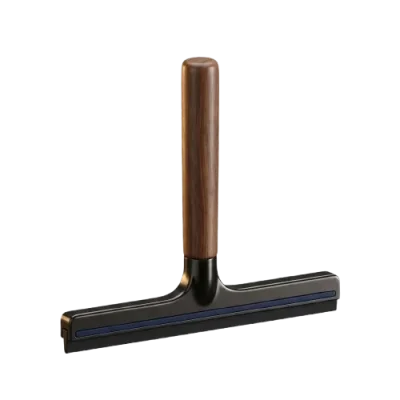
seconds with the squeegee
164 people bought this in the last 7 days
$9.99
$19.99
SAVE 50%
One‑time purchase · Printable HTML · Matched to your glass and water
Get Instant Access
Try Free with Ecomzy Pass
 30‑day money‑back guarantee
 Secure checkout via Stripe
 Instant delivery to your email
The Problem
You've scrubbed it for years and it's still cloudy.

Glass cleaner does nothing
It's made for fingerprints on dry glass and has no effect on either layer.

Scrubbing isn't the answer
Mineral deposit needs dissolving; effort takes the top off and leaves the rest bonded.

Sprayed and wiped too soon
Acid needs time in contact – wiped off after a minute it's barely started.
No squeegee
Every shower leaves a fresh layer, so it returns within weeks of any deep clean.
What you get
Everything you need to dissolve it and keep it off.
Matched to how bad it is
Light haze needs a warm vinegar solution and twenty minutes; heavier build‑up needs a citric acid solution held against the glass for longer, often over two sessions.

The solutions
Vinegar with a little washing‑up liquid so it clings, a bicarbonate paste, and a citric acid solution for the heavy stuff – with quantities and what each suits.
Tools and what not to use
A microfibre cloth, a non‑scratch pad and a plastic scraper are safe; abrasive pads and melamine sponges take the shine off the glass and make future build‑up worse.

Coated and treated glass
Many modern screens have a factory coating that acids and abrasives damage permanently – how to tell, and what to use instead if yours has one.
Keeping it clear
Twenty seconds with a squeegee after each shower, a weekly wipe, and the ventilation that stops it building up again.

Regenerate Anytime
Different bathroom, new glass, harder water? Run it again.
How it works
From glass you can't see through to a screen that stays clear in 2 minutes.
1
Answer 5 quick questions
What kind of glass, whether it's coated, how heavy the build‑up is, how hard your water is, and what you've already tried.
~2 minutes2
AI builds your plan
Custom HTML with the right strength and soak time, the solutions, safe tools for your glass, the coating warnings, and the prevention routine.
~30 seconds3
Test a corner first
Before you treat the whole screen – a small patch tells you whether your glass is coated and whether the solution is strong enough.
5 minutes to begin2
layers, each needing a different approach
30
minutes of soak time
20
seconds with the squeegee
1
test patch before you start
Questions
Everything you need to know.
Is my glass ruined or just dirty?
Usually just coated, and it comes off. Glass is hard and the film sits on top of it rather than in it. The exception is genuine etching, which can happen after many years in a very hard‑water area or after someone has used something abrasive on it – that doesn't come back, and it's one reason the tools matter as much as the chemistry.
What should I never use on shower glass?
Anything abrasive – green scouring pads, melamine sponges, scouring powder, wire wool. They appear to work because they take the film off, and what they're actually doing is putting fine scratches into the surface. Those scratches then hold moisture and minerals, so the next build‑up comes faster and is harder to shift. Dissolve it instead.
How do I know if my glass is coated?
Check the manufacturer's information if you have it, or ask whoever installed it – many modern screens have a factory treatment that makes water bead off. On coated glass, acids and abrasives strip the treatment permanently, so use only a mild detergent and a soft cloth. If you can't find out, test a small hidden corner and watch for any change in how water behaves on it.
What must I never mix?
Never combine any acid – vinegar, citric acid, a descaler – with bleach or a product containing it, because that releases chlorine gas. Use one thing, rinse thoroughly, then another if you need to. Keep the door open, and wear gloves with the stronger solutions.
How do I stop it coming back?
A squeegee after every shower, top to bottom, takes about twenty seconds and prevents most of it – the deposits form when water dries on the glass, so removing the water removes the problem. A weekly spray and wipe handles whatever slips through, and after that you're doing maintenance rather than rescue.
Reviews
Real shower screens, really clear.
Loading reviews…