Pets · Pet Health
Thirty-second removal. Thirty-day watch.
Get the removal steps, what to do with the tick and the bite, what to watch for over the next month, and a prevention plan.

5
steps to remove it

30
days of watching afterwards

6
places to check after every walk
2,345 people bought this in the last 7 days
$9.99
$19.99
SAVE 50%
One‑time purchase · Printable HTML · Not veterinary advice
Get Instant Access
Try Free with Ecomzy Pass
 30‑day money‑back guarantee
 Secure checkout via Stripe
 Instant delivery to your email
The Problem
You found a tick. Your instinct says: grab it, yank it, or burn it. All wrong.

Heat, oils and petroleum jelly
They take time, don't reliably work, and irritate a tick that's still feeding – none of which helps.

Squeezing the body
Pinching the tick's body rather than gripping near the skin risks pushing its contents into the bite.

Thrown away and forgotten
Illness from a tick bite can take days or weeks to show, and by then nobody remembers the bite.

No regular checks
The longer a tick stays attached the higher the risk, so finding them quickly matters more than anything else.
What you get
Everything you need for the tick and the weeks after.
Removing it properly
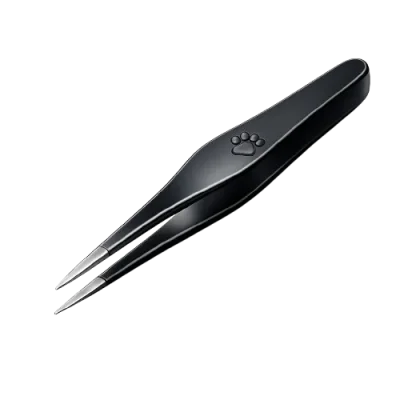
Fine‑tipped tweezers gripping as close to the skin as possible, a slow steady pull straight out, no squeezing the body – or a tick removal tool used as its instructions describe. With what to do if part of it stays behind.

After it's out
Cleaning the bite with soap and water, keeping the tick in a sealed bag or container with the date, a photo of the bite, and washing your hands.
A month of watching
What's normal at the bite over the first few days, and the signs over the following weeks that mean ring the vet – tiredness, going off food, limping, fever, or anything unusual.
Tick checks after walks
Ears, between the toes, armpits, groin, around the collar and under the tail – running your hands over them after time in long grass or woodland.

Prevention with your vet
The questions to ask about tick prevention where you live, since products, timing and what's appropriate differ between dogs and cats, and by region.

Regenerate Anytime
Another tick, different location, different pet? Run it again.
How it works
From a tick and a dozen contradictory tips to a clear plan in 2 minutes.
1
Answer 5 quick questions
Dog or cat, where the tick is, what tools you have, whether your pet is on any prevention, and where you live.
 ~2 minutes
2
AI builds your plan
Custom HTML with the removal steps, aftercare, the month‑long watch list, the tick‑check routine, and questions for your vet.
~30 seconds3
Write today's date down
On the bag with the tick, or in your phone – if anything turns up over the next few weeks, your vet will want to know when the bite happened.
5 minutes to begin30
days of keeping an eye out after the bite
5
steps to remove it
6
places to check after every walk
1
date to write down
Questions
Everything you need to know.
What if part of it stays in the skin?
Don't dig for it – that causes more damage than leaving it. Clean the area with soap and water and keep an eye on it; the body usually deals with small retained mouthparts on its own. If the spot becomes increasingly red, swollen, warm or starts to discharge, ask your vet to look at it. Don't put creams on it without checking first, particularly with cats.
My pet is on tick prevention. Why was there still a tick?
Many prevention products work by killing ticks after they've attached rather than stopping them from biting, so finding one isn't necessarily a sign the product has failed. It's still worth removing it and mentioning it to your vet, especially if you're finding them often – they can tell you whether your pet's prevention suits where you live.
Should my pet be tested after a bite?
Not after every tick, but your vet may suggest it if the tick had clearly been attached for a while, if tick‑borne illness is common in your area, or if your pet shows any signs of being unwell in the weeks afterwards. Tell them when and where the bite happened, and bring the tick if you kept it.
What signs should send me to the vet?
Lethargy, going off food, fever, limping or stiffness – particularly lameness that moves from leg to leg – swollen glands, or anything else that isn't normal for your pet in the weeks after a bite. Also a bite site that gets worse rather than better after a few days. Many tick‑borne illnesses respond well to treatment when caught early.
Can the tick affect me?
Not from your pet directly, but a tick that drops off indoors can bite you. Handle ticks with tweezers or gloves rather than bare fingers, don't crush them between your fingers, dispose of them in a sealed container, and wash your hands afterwards. Check yourself too after walks in the same areas.
Reviews
Real owners, really prepared.
Loading reviews…